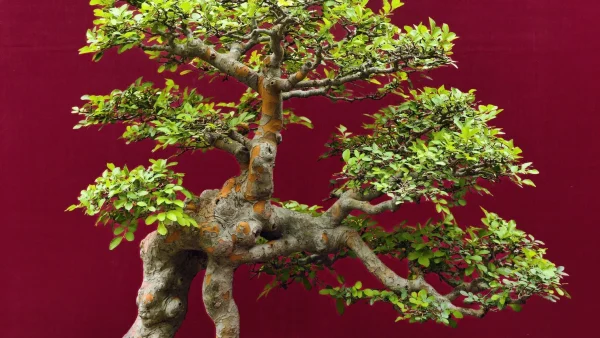

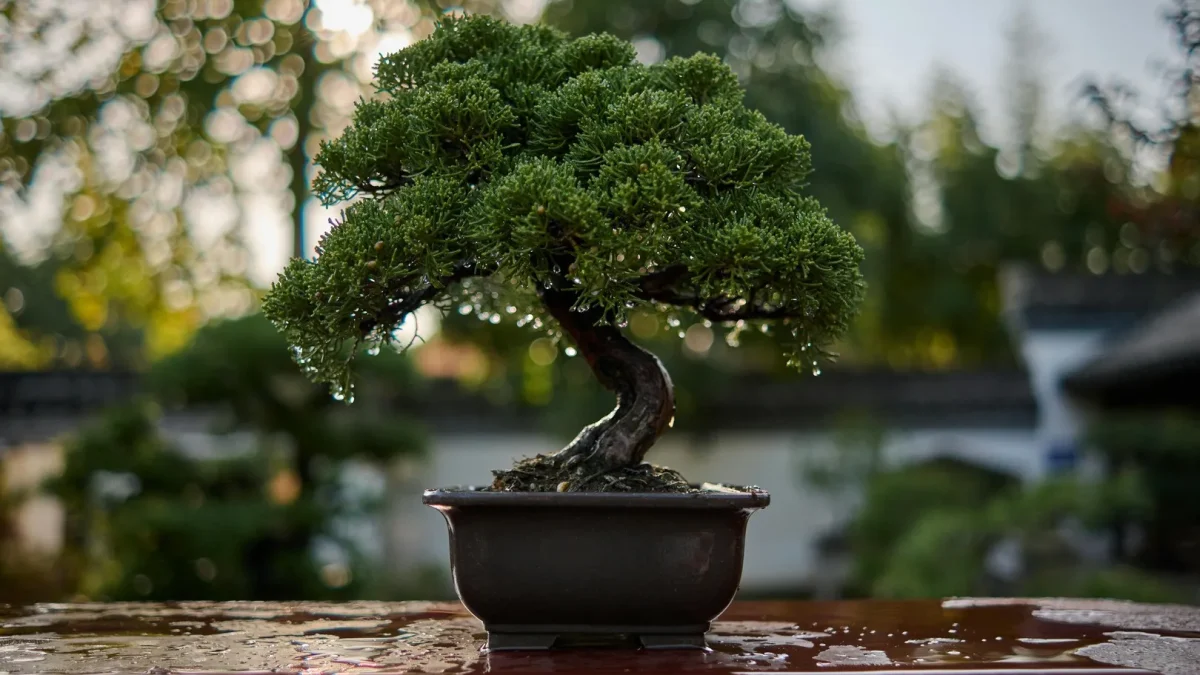
The most common question beginners ask about bonsai is also the hardest to answer with a simple rule: how often should I water it? Every three days. Every day in summer. Twice a week. The advice varies because none of it is quite right. Bonsai watering doesn’t work on a schedule. It works on observation.
That sounds more complicated than it is. The actual method takes about five seconds per tree. Once it becomes habit, you stop thinking about it – you just know, by checking the soil, whether today is a watering day or not.
The Soil-Check Method
Push the tip of your finger about 1cm into the soil. If it feels damp, don’t water. If it feels slightly dry – not dusty-dry, just no longer cool and moist – water now. Do this every day, at least in the first few months, until you’ve developed a feel for how quickly your particular tree and pot dry out.
This is the method used by experienced growers. There is no shortcut more reliable than it. Wooden chopsticks inserted into the soil work too – pull one out and check the moisture on the stick. Some growers use moisture meters. All of these tools are doing the same thing: telling you whether the rootball still has water in it or not.
The goal is to keep the roots in a cycle of moist and slightly dry – never waterlogged, never completely desiccated. That alternation is what roots are built for. Constant saturation drives out oxygen and causes root rot. Complete drought stresses the fine root tips that do most of the tree’s work.
How to Actually Water (Not Just When)
When the tree does need water, water it thoroughly. That means pouring water slowly over the entire soil surface until it flows freely from the drainage holes at the bottom of the pot. Then water again. Two full passes ensures the entire rootball is wet, not just the top layer.
A narrow-spouted watering can gives you more control over where the water lands – wide spray heads tend to splash and disturb the surface soil. Rainwater or filtered water is preferable to hard tap water for trees that dislike lime, though most beginner species (Ficus, Chinese Elm) cope fine with tap water.
Never let a bonsai sit in a saucer of standing water. The drainage holes exist for a reason. A pot that can’t drain will drown the roots even when watering frequency is correct.
Why Your Tree Dries Out at Different Rates
Understanding this makes the whole system click. A small shallow bonsai pot dries out faster than a deep one. A tree in full sun outdoors in July needs water daily – sometimes twice. The same tree indoors in a north-facing window in November might only need water every four or five days.
Bonsai soil is intentionally fast-draining – the open, gritty mix (typically akadama, pumice, and lava rock) holds far less water than standard potting compost, which is why watering frequency is higher than with regular potted plants. If you bought a tree and it came in dense, dark potting soil, it will behave differently – retaining water longer but at greater risk of root rot. Repotting into proper bonsai mix when the tree is ready will make watering easier and more intuitive.
Seasonal Adjustments
Spring and summer are active growing seasons – water demand is high. Check daily for outdoor trees in warm weather. Midsummer heat means some trees, especially junipers in full sun, may need watering morning and evening.
Autumn brings slowing growth and reduced water demand. Start checking every other day and adjust based on what you find. Winter for outdoor deciduous trees (Chinese Elm, maples) means near-dormancy – the tree is barely transpiring, so watering drops to once or twice a week, just enough to stop the rootball drying completely.
Indoor trees don’t experience the same seasonal swing, but central heating dries the air significantly in winter, which can stress leaves. A humidity tray – a shallow tray of wet gravel under the pot – helps without adding water to the roots.
Signs You’re Watering Wrong
Yellowing leaves that drop (especially on Ficus) alongside soggy-feeling soil usually point to overwatering. The roots are suffocating. Let the soil dry more thoroughly between waterings and check that drainage is unobstructed.
Crispy leaf edges, wilting, or bone-dry soil that shrinks away from the pot edges signals underwatering. For a severely dry rootball, submerge the entire pot in a basin of water for ten to fifteen minutes until bubbles stop – this re-saturates compacted dry soil more effectively than surface watering.
Most bonsai problems that beginners attribute to pruning or fertiliser or disease turn out to be watering. Get comfortable with the soil-check habit first. Everything else in bonsai becomes easier once the water relationship is right. For more on building a full care routine, see our guide to choosing the right species for your situation.