
Every pot of supermarket basil dies on the windowsill within two weeks. Most people assume this means they can’t grow herbs. What it actually means is that supermarket herbs are not designed to survive – they’re grown in dense clusters at speed, sold as single-use flavour hits, and have neither the root space nor the light to keep going. Buying one and expecting it to thrive is like buying a battery-farmed chicken and expecting it to lay eggs.
Growing herbs from scratch, or buying from a proper garden centre rather than a supermarket, is a different experience. The same herbs – basil, mint, parsley, thyme – are genuinely easy to maintain indoors when the conditions are right. The conditions come down to three things.
Light
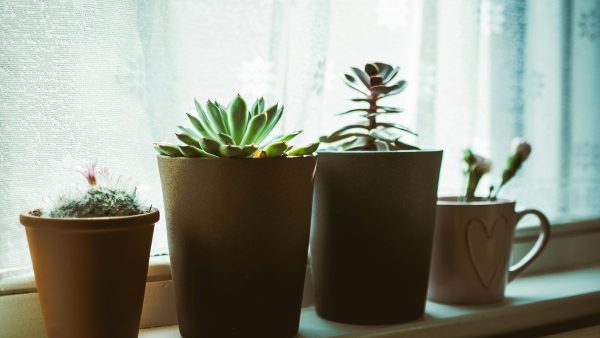
Herbs are sun-hungry. Most need six hours of direct or near-direct light a day to grow properly. A south- or west-facing windowsill in a reasonably bright room will work. A north-facing window, a spot set back from the window, or a shelf in a dim kitchen will not – the plants will survive for a while, become leggy and pale, then quietly give up.
If your flat doesn’t have good natural light, a grow light is a straightforward fix rather than a compromise. A basic full-spectrum LED panel, positioned 15-30cm above the plants and running for 12-14 hours a day, replicates outdoor summer light well enough to grow almost any herb successfully. They’re not expensive and they make the difference between possible and impossible in low-light spaces.
Rotate your pots a quarter turn every week or two. Light comes from one direction indoors, and plants that aren’t turned will lean heavily toward the window and become one-sided. Two minutes a week, noticeable difference.
Drainage: The Other Thing Most People Get Wrong
Herbs die in waterlogged soil. All of them. Even water-loving herbs like mint and parsley need soil that drains. A pot with no drainage hole is a death sentence – water accumulates at the bottom, the roots sit in it, and root rot follows. Always use pots with drainage holes. Always use a saucer beneath them and empty the saucer after watering so the pot isn’t sitting in standing water.
Terracotta pots are the best choice for most herbs for a simple reason: they’re porous, which means excess moisture evaporates through the walls as well as through the drainage holes. This makes overwatering much harder. Plastic pots retain moisture significantly longer – workable, but they require more careful watering discipline.
For potting mix, a standard multi-purpose compost works for most herbs, but mixing in 20-30% perlite or horticultural grit improves drainage noticeably. Mediterranean herbs – thyme, rosemary, oregano, sage – actively prefer this drier, grittier mix over standard compost. They come from rocky, dry hillsides and are built for lean conditions.
Which Herbs Work Best Indoors
Basil needs the most warmth and light of the common herbs – a south-facing window and temperatures above 15°C. It is not frost-tolerant at all. Harvest regularly by pinching off the top pairs of leaves, never stripping whole stems. Regular harvesting delays flowering; once basil flowers it turns bitter and starts to decline. Pinch out flower buds the moment you see them.
Mint is vigorous to the point of invasive. Grow it in its own pot – it will attempt to take over any shared container. It tolerates lower light than most herbs and prefers consistently moist (not wet) soil. The reward is continuous fresh growth with almost no effort. Spearmint and peppermint are the most versatile for cooking and tea.
Chives, parsley, and thyme are all reliable windowsill herbs with modest requirements. Parsley prefers cooler conditions than basil – it copes well in an unheated kitchen. Thyme and chives both tolerate some drying out between waterings and need less babysitting than the more demanding Mediterranean herbs.
Rosemary and lavender are the trickier indoor herbs, not because they’re delicate but because they need strong light and hate being overwatered. Rosemary in particular suffers in low light and will become spindly. If you have a bright south-facing window it can work well; otherwise, keep these for a sheltered outdoor spot. We’ve written a detailed guide to setting up a kitchen windowsill herb garden that covers pot selection and arrangement in more depth.
Watering: Check, Don’t Schedule
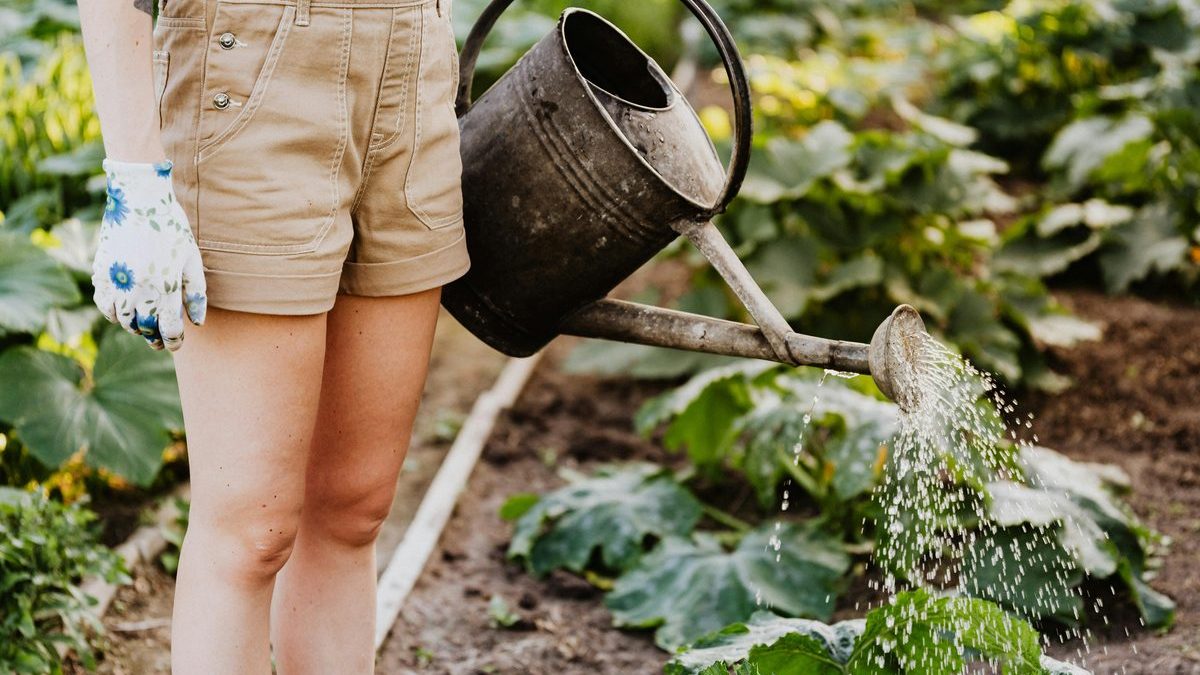
The same principle that applies to bonsai applies here. Check the soil before you water – push a finger into the top centimetre. Still damp? Leave it. Dry? Water now, thoroughly, until it drains from the bottom.
Different herbs have different water needs, which is worth keeping in mind when grouping them. Mediterranean herbs (thyme, rosemary, oregano, sage) want to dry out more between waterings. Basil and parsley prefer more consistent moisture. Keeping these groups separate prevents the situation where you’re watering everything on the same schedule and one group is always wrong.
In summer, herbs in a hot sunny window may need watering daily. In a cooler, less bright winter spot, twice a week may be enough. The soil tells you – trust it over any fixed schedule.
Harvesting to Keep Plants Productive
Regular harvesting is what keeps herbs producing rather than bolting. The rule is: never take more than a third of the plant at once. Snip from the top, not from the base. For bushy herbs like basil and mint, pinching the growing tips encourages branching – the plant responds by putting out two new shoots where one was removed, doubling its productive surface over time.
The more you harvest, the more the plant grows. Leaving an herb uncut for weeks causes it to put energy into flowering and setting seed rather than producing leaves. A regularly harvested plant stays compact, productive, and in good shape. One left to its own devices goes leggy, flowers, and declines.